Wickedly Sharp

Hand Sharpened Knives and Tools
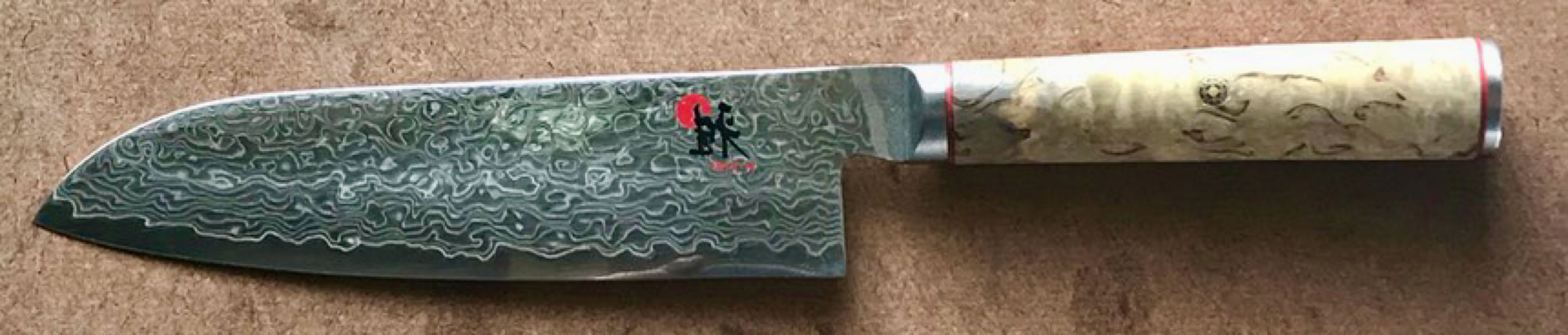
Why professionally sharpened?

It is an investment in the longenvity of your knife

Think of it as a visit to the dentist. Get your check ups every 6 months and the likelihood you’ll need major dental work is diminished. Leave it longer, and you may need filling, crowns or new teeth! Your knife is the same. The longer it is between sharpening, the greater the chance that the knife is blunt or suffering edge damage adding extra cost to the visit.

It is an investment in your safety

A blunt knife requires more force to make it cut. It means that your hand/arm will become fatigued a lot sooner. Both of these things increase the risk of injury because of less control over the cut. 

A sharp knife means that you’ll get through your meal prep much quicker. Less cuts are needed and the cuts are easier and quicker to make as the knife slices through an item. You direct the knife, it does the cutting.

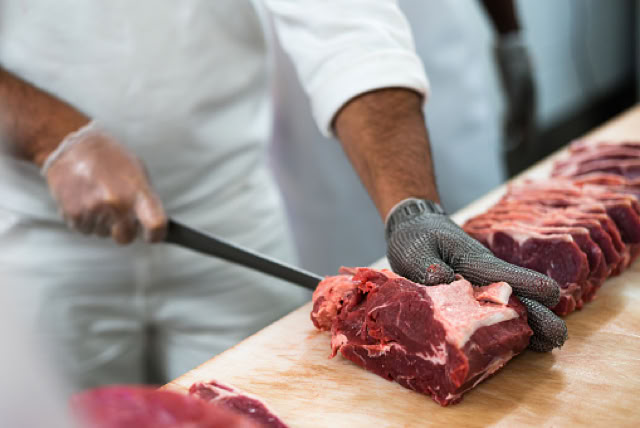
Time and cost.

It takes time to sharpen your knives. When you don’t sharpen very often, it's very hard to become highly skilled and efficient at it. It takes a lot more time and can be frustrating trying to get that Wickedly Sharp edge.

The professional not only sharpens many knives and tools, they have the right equipment. So, not only does it take less time, but also the edge will be more exact and less steel will be taken from your knife in the process.

At Wickedly Sharp, the equipment that we have invested allows us to sharpen to exacting standards! If your knife has been sharpened to 15 degrees, you can bet that is 15 degrees +/- 0.1 degrees. No retail store bought pull-through or electric sharpener or belt grinder can do that. It also means that we can sharpen to the manufacturer's recommend angle and make it sharper than it was when you bought it.

A sharp knife means that you’ll get through your meal prep much quicker. Less cuts are needed and the cuts are easier and quicker to make as the knife slices through an item. You direct the knife, it does the cutting.
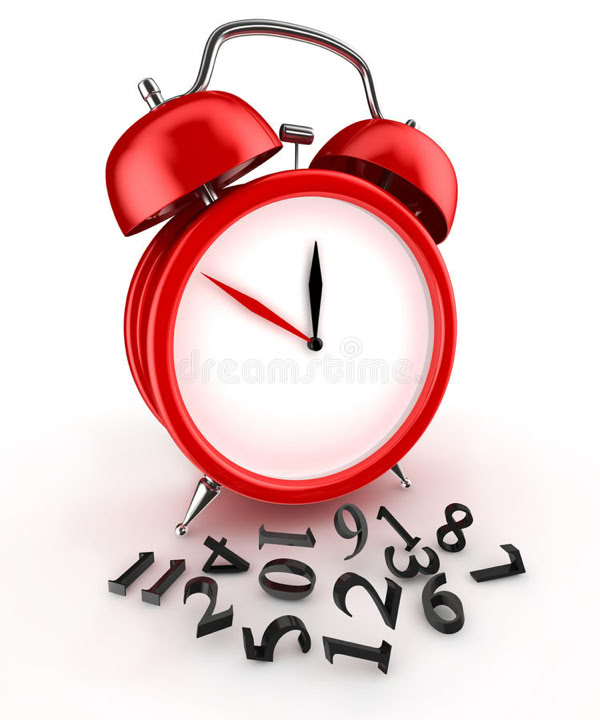
It’s all about the edge. A blunt knife is a dangerous knife.

Your knives are the only tool that are used at every meal. From soft and hard vegetables, to meats, fruits, cheeses and bread. They cut it all. From feeding a small family to a small army they make many cuts at each meal.

If your knife is blunt, a lot more force is required to make each cut. Your wrist and hand will also become quite fatigued in a shoter number of cuts. There is also an impact on your shoulder, neck and back. all of this means that you have less control over the knife and the likelihood of significant cut injuries. With a sharp knife, the knife does the cutting with a little bit of effort and mostly guidance from you. This is less tiring and much safer.

Instagram @wickedly_sharp

Even thickness cuts and slices.

Being able to make easier cuts means that you spend more of the time guiding the cut rather than ‘forcing’ the cut. This means even cuts from the start to the finish and death-grip like pressure is not needed. Also, you’re not squashing the item being cut (think ripe tomato or bread). You can also more easily replicate the same thickness from slice to slice. Think fine-dicing an onion or hand cutting potato chips to deep fry.

Even thickness means more even cooking. We’ve all had that steak that is thick at one end and thin at the other? It ends up being rare at the thick end, and well done at the thin end. Yuck!

Retail sharpeners.

Those you buy at a retail store can be quite expensive. A reasonable (read expensive) sharpener will two or three different grit stones (coarse to fine) that the knife passes over. As you pull the knife through the sharpener, not only is the pressure uneven against the stone but also the knife will wobble from side to side in the V.

The uneven pressure means that the knife edge will be ground unevenly and more deeply in some places than others, destroying the belly of the knife edge . It also introduces heat to the knife effecting the temper of the steel making it more brittle (chips and breaking the tip) or reducing the hardness of the steel (won’t hold its edge).

The tilt left and right as the knife is pulled through results in uneven angle along the edge. This means that the knife is not as sharp as it should be.

Facebook

Small investment

As a general rule of thumb, it is advisable to have your knives professionally sharpened every six months.  This means that your knives should only be dull when they are sharpened.  Not blunt or damaged. This is of course dependant on how they are used and how often, what they are used to cut, the hardness of the steel and the cutting surface used.

A 3 to 4 knife set will cost between $40 and $50 to get professionally sharpened, if only dull.

A reasonable electric sharpener will set you back about$200 or more. That about 3 or more years for it pay for itself and your knife won’t get the care it deserves. It will also spend most of its time at the back of the cupboard rusting away.

Taking your knife to a Cookware shop will cost you a lot more to have it sharpened and you’ll be without your knives for a considerable length of time.